


Sports digitalization influences betting development
Digital sport changes betting trends
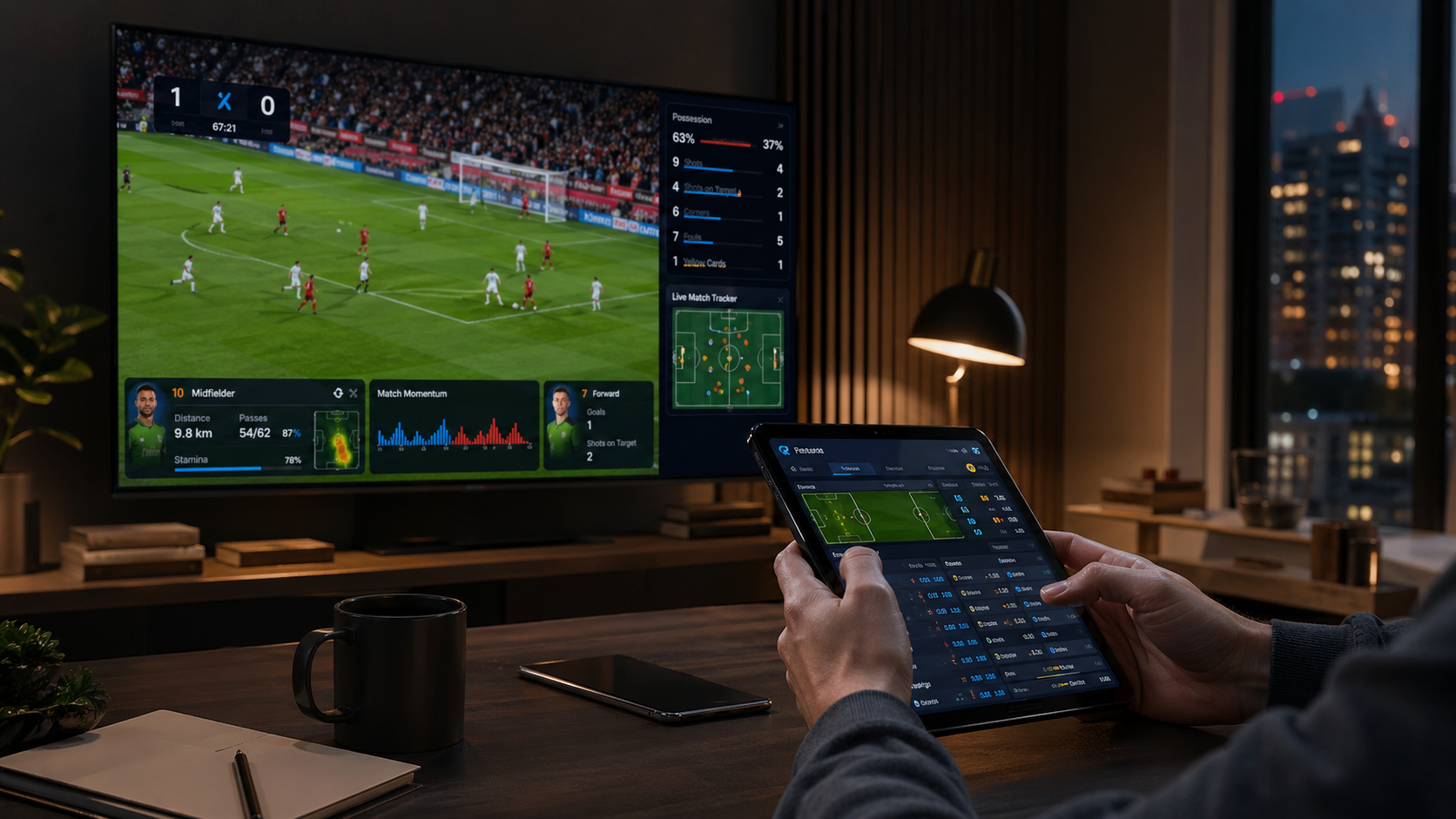
Alt: A man watching a football match, checking statistics on a tablet
Sports digitalization is changing the way betting-related platforms work with live events in 2026. The clearest signal came in January, when FIFA selected Stats Perform as its first official worldwide distributor of betting data and live-streaming rights for selected FIFA competitions, including the 2026 men’s World Cup. In a market where users also follow access updates through terms such as bizbet girş, the deal shows how official data, live streams, scores, player statistics, and match trackers are becoming more closely connected with licensed sportsbook services.
This is more than a media rights story. It shows how official sports data is becoming part of the betting product itself. Match information no longer sits only in post-game reports. It now moves into live screens, odds tools, and in-play services while the event is still happening.
For betting operators, this creates a more technical workflow. Video feeds, data feeds, and risk checks need to work together without delays, especially during busy matches.
Streaming deals add new pressure
The move toward streaming also affects betting-related products. Users now follow sports across phones, tablets, smart TVs, and match trackers. In mobile-first environments, where access through tools such as 1xbet apk also depends on speed and stable updates, this creates more demand for fast data delivery and reliable video during live events.
For betting platforms, stronger streaming tools matter because live betting depends on timing. A slow feed, delayed score, or late statistic can affect how users read a match.
What is changing behind the screen
Before listing the main changes, it is worth noting that most of this work is not visible to users. The changes happen inside data systems, streaming tools, and product layouts. Still, they affect how live sports content appears on betting-related platforms.
The main changes include:
- Official data feeds are linked closer to live markets
- Match trackers placed near sports video
- Faster score and player-stat updates
- More focus on mobile viewing during live events
- Stronger technical links between streams and in-play tools
These updates do not turn every broadcast into a betting product. They show that sports content and betting technology now depend on many of the same systems.
How digital sport affects betting tools
The shift also changes how product teams build sports screens. Older layouts often separated video, statistics, and betting markets. Newer setups bring these parts closer together because users expect quick context during the event.
|
Area |
Older setup |
2026 direction |
|
Sports data |
Used after matches |
Added during live events |
|
Streaming |
Separate from betting tools |
Linked with the match context |
|
Match trackers |
Extra feature |
Part of live coverage |
|
Mobile use |
Secondary channel |
Main screen for many users |
|
In-play services |
Based mostly on odds |
Supported by video and stats |
Official data becomes more valuable
Official data is becoming more important because betting-related platforms need reliable information. During live events, unofficial or delayed feeds can create confusion. Verified data helps platforms keep match details, scores, and statistics consistent.
Stats Perform’s 2026 sports media survey also points to a fast change in sports media, with AI, fan expectations, and sponsor priorities affecting how companies plan content and audience products.
This is why sports leagues, data providers, and streaming companies are now more closely connected. Each part supports the same goal: faster and clearer sports coverage.
A more technical betting market
Sports digitalization is not just about better-looking screens. It changes the structure behind betting-related platforms.
In 2026, betting development is tied to official data, live video, mobile use, and faster match context. The result is a market where technical systems matter almost as much as the sports events themselves.


